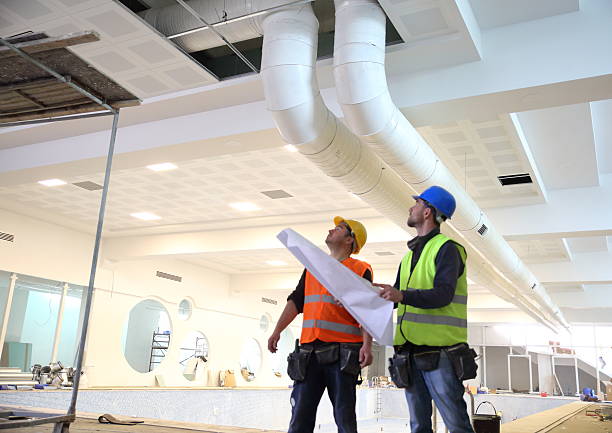
Staging Smart HVAC Decisions for Mixed Residential and Commercial Spaces in Coastal Climates
Planning an HVAC path begins with scoping the load profile for both living areas and workspaces, because coastal climates demand steady dehumidification and salt-air resilience. Assess envelope leakage, window orientation, and occupancy waves before discussing equipment. Document comfort targets room by room, note any zoning conflicts, and sketch electrical and drainage constraints. This groundwork guides right-sized selections and reduces rework during layout, rough-in, and final trim.
Meanwhile, filter strategy deserves early attention, since fine coastal particulates and pollen can stress systems. Verify available filter sizes, static pressure limits, and replacement access. Then match filtration to the building’s usage patterns, choosing a balance that preserves airflow and indoor air quality. Plan storage for spare filters and record change intervals. Clear access panels and labeled housings help technicians maintain performance without guesswork or disruption.
Beyond that, lifecycle budgeting clarifies total cost of ownership. Compare upfront equipment tiers with expected efficiency and service intervals, and buffer the plan for consumables and routine checks. Include seasonal tune-ups to validate refrigerant charge, inspect condensate management, and calibrate controls. A realistic budget sets expectations, supports timely approvals, and keeps comfort predictable across peak cooling and shoulder seasons without surprises.
Often, zoning and controls decide whether mixed-use buildings feel cohesive or fragmented. Sequence thermostats and dampers to align with occupancy blocks, acoustics, and privacy. Validate sensor placement away from drafts, sun, and equipment heat. Integrate setbacks that reflect cleaning schedules and quiet hours. When spaces change roles, record updates so programming and balancing adapt rather than drift, preserving both comfort and utility costs.
In practice, equipment selection hinges on serviceability as much as performance. Inspect roof access for safety and crane clearances when considering rtus or package units, and confirm structural support. For ground-level systems, protect from flood splash and salt spray. Provide working clearances that meet code and make routine checks efficient. Thoughtful placement shortens downtime and extends usable life by reducing mechanical stress and corrosion.
However, duct design often determines results more than tonnage. Measure available chases, soffits, and fire-rated assemblies before committing to layouts. Align supply and return paths to prevent pressure imbalances and noise. Seal and insulate to the climate zone, and validate static pressure against blower capabilities. During commissioning, document airflow at key registers to refine balancing and spot leaks that sap capacity.
Then, consider the handoff plan to keep operations smooth after project close. Assemble a concise binder with model numbers, filter types, wiring diagrams, and warranty procedures. Include photos of hidden components, drain routes, and disconnects. Provide a maintenance calendar with seasonal checkpoints. With clear references, future Ac Repair or adjustments happen faster, costs stay visible, and downtime remains limited.
Finally, seasonal timing can make or break project momentum. Stage noisy work and shutdowns during lower occupancy, and phase inspections before extreme temperatures arrive. For new hvac installs or air conditioning installation, verify utility availability and permitting windows early. Coordinate deliveries to minimize roof traffic on hot days, and plan temporary cooling or ventilation where sensitive materials or people could be affected.
Meanwhile, system type choices should reflect space diversity. Heatpumps can serve zones with moderate loads and provide reversible operation, while commercial hvac configurations may favor modularity for growth. For residential hvac wings, prioritize quiet operation and smart controls with user-friendly interfaces. Validate defrost strategies, crankcase protection, and condensate heat tracing where applicable, documenting settings so future technicians can reproduce proper behavior.
Finally, keep a feedback loop alive through routine maintenance and user input. Track comfort complaints, energy swings, and filter condition to refine schedules. Inspect outdoor coils for coastal corrosion, treat where appropriate, and adjust cleaning frequency. Review trend logs after any changes to verify stability. Small, steady improvements preserve comfort, protect investments, and give stakeholders confidence that the system will meet evolving needs.